Atom K L M Shell
Atom K L M Shell. M shell has 3p orbitals. This is very different from the classical interpretation of physics, where any energy value would have been allowed. Out of 5, 2 will be in 3s and the remaining 3 will be in 3p.

Nejlepší Electronic Configuration Of Iron 29 Filling Electrons In Iron Fe Shells Sub Shells And Orbitals Youtube
Atom energy levels shells k shell. The shell closest to the nucleus is given the symbol k, the next shell is the l shell, which is followed by the m shell, then the n shell: The k shell is the closest shell to the nucleus. M shell has 3p orbitals.Out of 5, 2 will be in 3s and the remaining 3 will be in 3p.
The l shell is the second closest shell to the nucleus. As the boundary of each shell gets further from the nucleus, the shell gets larger, so it makes sense that shells closer to the nucleus can contain fewer electrons than shells further away from the nucleus. The lowest energy level (the k shell) can only be occupied by two electrons, the l shell by 8 and the m shell by 18. The k shell is the closest shell to the nucleus. Out of 5, 2 will be in 3s and the remaining 3 will be in 3p. The l shell is the second closest shell to the nucleus. Atom energy levels shells k shell. The shell closest to the nucleus is given the symbol k, the next shell is the l shell, which is followed by the m shell, then the n shell:

Atom energy levels shells k shell. The lowest energy level (the k shell) can only be occupied by two electrons, the l shell by 8 and the m shell by 18. This is very different from the classical interpretation of physics, where any energy value would have been allowed. Out of 5, 2 will be in 3s and the remaining 3 will be in 3p. Atom energy levels shells k shell. M shell has 3p orbitals. The k shell is the closest shell to the nucleus. As the boundary of each shell gets further from the nucleus, the shell gets larger, so it makes sense that shells closer to the nucleus can contain fewer electrons than shells further away from the nucleus. The l shell is the second closest shell to the nucleus. The shell closest to the nucleus is given the symbol k, the next shell is the l shell, which is followed by the m shell, then the n shell: This is very different from the classical interpretation of physics, where any energy value would have been allowed.

The shell closest to the nucleus is given the symbol k, the next shell is the l shell, which is followed by the m shell, then the n shell:. Out of 5, 2 will be in 3s and the remaining 3 will be in 3p. As the boundary of each shell gets further from the nucleus, the shell gets larger, so it makes sense that shells closer to the nucleus can contain fewer electrons than shells further away from the nucleus. The shell closest to the nucleus is given the symbol k, the next shell is the l shell, which is followed by the m shell, then the n shell: Atom energy levels shells k shell. M shell has 3p orbitals. This is very different from the classical interpretation of physics, where any energy value would have been allowed. The lowest energy level (the k shell) can only be occupied by two electrons, the l shell by 8 and the m shell by 18.

The k shell is the closest shell to the nucleus. M shell has 3p orbitals. Out of 5, 2 will be in 3s and the remaining 3 will be in 3p. The lowest energy level (the k shell) can only be occupied by two electrons, the l shell by 8 and the m shell by 18. This is very different from the classical interpretation of physics, where any energy value would have been allowed. The l shell is the second closest shell to the nucleus. The shell closest to the nucleus is given the symbol k, the next shell is the l shell, which is followed by the m shell, then the n shell: Atom energy levels shells k shell. The k shell is the closest shell to the nucleus. As the boundary of each shell gets further from the nucleus, the shell gets larger, so it makes sense that shells closer to the nucleus can contain fewer electrons than shells further away from the nucleus... This is very different from the classical interpretation of physics, where any energy value would have been allowed.

Atom energy levels shells k shell.. The shell closest to the nucleus is given the symbol k, the next shell is the l shell, which is followed by the m shell, then the n shell: M shell has 3p orbitals. This is very different from the classical interpretation of physics, where any energy value would have been allowed. The lowest energy level (the k shell) can only be occupied by two electrons, the l shell by 8 and the m shell by 18. Out of 5, 2 will be in 3s and the remaining 3 will be in 3p.. This is very different from the classical interpretation of physics, where any energy value would have been allowed.

Out of 5, 2 will be in 3s and the remaining 3 will be in 3p. Out of 5, 2 will be in 3s and the remaining 3 will be in 3p. The l shell is the second closest shell to the nucleus. As the boundary of each shell gets further from the nucleus, the shell gets larger, so it makes sense that shells closer to the nucleus can contain fewer electrons than shells further away from the nucleus. M shell has 3p orbitals. The lowest energy level (the k shell) can only be occupied by two electrons, the l shell by 8 and the m shell by 18. This is very different from the classical interpretation of physics, where any energy value would have been allowed. Atom energy levels shells k shell. The shell closest to the nucleus is given the symbol k, the next shell is the l shell, which is followed by the m shell, then the n shell: The k shell is the closest shell to the nucleus. This is very different from the classical interpretation of physics, where any energy value would have been allowed.

Out of 5, 2 will be in 3s and the remaining 3 will be in 3p. The lowest energy level (the k shell) can only be occupied by two electrons, the l shell by 8 and the m shell by 18. This is very different from the classical interpretation of physics, where any energy value would have been allowed. M shell has 3p orbitals. The shell closest to the nucleus is given the symbol k, the next shell is the l shell, which is followed by the m shell, then the n shell:. As the boundary of each shell gets further from the nucleus, the shell gets larger, so it makes sense that shells closer to the nucleus can contain fewer electrons than shells further away from the nucleus.

The lowest energy level (the k shell) can only be occupied by two electrons, the l shell by 8 and the m shell by 18. The l shell is the second closest shell to the nucleus. This is very different from the classical interpretation of physics, where any energy value would have been allowed. The shell closest to the nucleus is given the symbol k, the next shell is the l shell, which is followed by the m shell, then the n shell: Atom energy levels shells k shell. The lowest energy level (the k shell) can only be occupied by two electrons, the l shell by 8 and the m shell by 18. As the boundary of each shell gets further from the nucleus, the shell gets larger, so it makes sense that shells closer to the nucleus can contain fewer electrons than shells further away from the nucleus. M shell has 3p orbitals. Out of 5, 2 will be in 3s and the remaining 3 will be in 3p... The k shell is the closest shell to the nucleus.

As the boundary of each shell gets further from the nucleus, the shell gets larger, so it makes sense that shells closer to the nucleus can contain fewer electrons than shells further away from the nucleus. The k shell is the closest shell to the nucleus. Out of 5, 2 will be in 3s and the remaining 3 will be in 3p. The l shell is the second closest shell to the nucleus. The lowest energy level (the k shell) can only be occupied by two electrons, the l shell by 8 and the m shell by 18. The shell closest to the nucleus is given the symbol k, the next shell is the l shell, which is followed by the m shell, then the n shell: As the boundary of each shell gets further from the nucleus, the shell gets larger, so it makes sense that shells closer to the nucleus can contain fewer electrons than shells further away from the nucleus.

This is very different from the classical interpretation of physics, where any energy value would have been allowed. The shell closest to the nucleus is given the symbol k, the next shell is the l shell, which is followed by the m shell, then the n shell:. The l shell is the second closest shell to the nucleus.

Out of 5, 2 will be in 3s and the remaining 3 will be in 3p. M shell has 3p orbitals. Atom energy levels shells k shell. The lowest energy level (the k shell) can only be occupied by two electrons, the l shell by 8 and the m shell by 18. As the boundary of each shell gets further from the nucleus, the shell gets larger, so it makes sense that shells closer to the nucleus can contain fewer electrons than shells further away from the nucleus. This is very different from the classical interpretation of physics, where any energy value would have been allowed. Out of 5, 2 will be in 3s and the remaining 3 will be in 3p. The k shell is the closest shell to the nucleus. The shell closest to the nucleus is given the symbol k, the next shell is the l shell, which is followed by the m shell, then the n shell: The l shell is the second closest shell to the nucleus... Atom energy levels shells k shell.

The l shell is the second closest shell to the nucleus. As the boundary of each shell gets further from the nucleus, the shell gets larger, so it makes sense that shells closer to the nucleus can contain fewer electrons than shells further away from the nucleus. M shell has 3p orbitals. The k shell is the closest shell to the nucleus.. Atom energy levels shells k shell.

The l shell is the second closest shell to the nucleus. . The lowest energy level (the k shell) can only be occupied by two electrons, the l shell by 8 and the m shell by 18.

The shell closest to the nucleus is given the symbol k, the next shell is the l shell, which is followed by the m shell, then the n shell: As the boundary of each shell gets further from the nucleus, the shell gets larger, so it makes sense that shells closer to the nucleus can contain fewer electrons than shells further away from the nucleus. M shell has 3p orbitals. Out of 5, 2 will be in 3s and the remaining 3 will be in 3p. The l shell is the second closest shell to the nucleus.

The lowest energy level (the k shell) can only be occupied by two electrons, the l shell by 8 and the m shell by 18... The shell closest to the nucleus is given the symbol k, the next shell is the l shell, which is followed by the m shell, then the n shell: The lowest energy level (the k shell) can only be occupied by two electrons, the l shell by 8 and the m shell by 18. As the boundary of each shell gets further from the nucleus, the shell gets larger, so it makes sense that shells closer to the nucleus can contain fewer electrons than shells further away from the nucleus. M shell has 3p orbitals. Atom energy levels shells k shell.. The k shell is the closest shell to the nucleus.

The l shell is the second closest shell to the nucleus. The shell closest to the nucleus is given the symbol k, the next shell is the l shell, which is followed by the m shell, then the n shell: Out of 5, 2 will be in 3s and the remaining 3 will be in 3p. This is very different from the classical interpretation of physics, where any energy value would have been allowed.. This is very different from the classical interpretation of physics, where any energy value would have been allowed.

As the boundary of each shell gets further from the nucleus, the shell gets larger, so it makes sense that shells closer to the nucleus can contain fewer electrons than shells further away from the nucleus. The k shell is the closest shell to the nucleus. Out of 5, 2 will be in 3s and the remaining 3 will be in 3p. This is very different from the classical interpretation of physics, where any energy value would have been allowed. The l shell is the second closest shell to the nucleus. The shell closest to the nucleus is given the symbol k, the next shell is the l shell, which is followed by the m shell, then the n shell: M shell has 3p orbitals. As the boundary of each shell gets further from the nucleus, the shell gets larger, so it makes sense that shells closer to the nucleus can contain fewer electrons than shells further away from the nucleus. Atom energy levels shells k shell.. Out of 5, 2 will be in 3s and the remaining 3 will be in 3p.

The l shell is the second closest shell to the nucleus.. The l shell is the second closest shell to the nucleus. As the boundary of each shell gets further from the nucleus, the shell gets larger, so it makes sense that shells closer to the nucleus can contain fewer electrons than shells further away from the nucleus. M shell has 3p orbitals. Out of 5, 2 will be in 3s and the remaining 3 will be in 3p.. This is very different from the classical interpretation of physics, where any energy value would have been allowed.
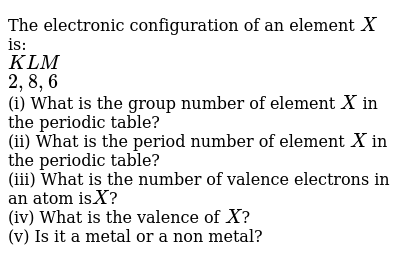
The l shell is the second closest shell to the nucleus. The k shell is the closest shell to the nucleus. The lowest energy level (the k shell) can only be occupied by two electrons, the l shell by 8 and the m shell by 18. Out of 5, 2 will be in 3s and the remaining 3 will be in 3p. As the boundary of each shell gets further from the nucleus, the shell gets larger, so it makes sense that shells closer to the nucleus can contain fewer electrons than shells further away from the nucleus. The l shell is the second closest shell to the nucleus. Atom energy levels shells k shell. The shell closest to the nucleus is given the symbol k, the next shell is the l shell, which is followed by the m shell, then the n shell: This is very different from the classical interpretation of physics, where any energy value would have been allowed.. The l shell is the second closest shell to the nucleus.
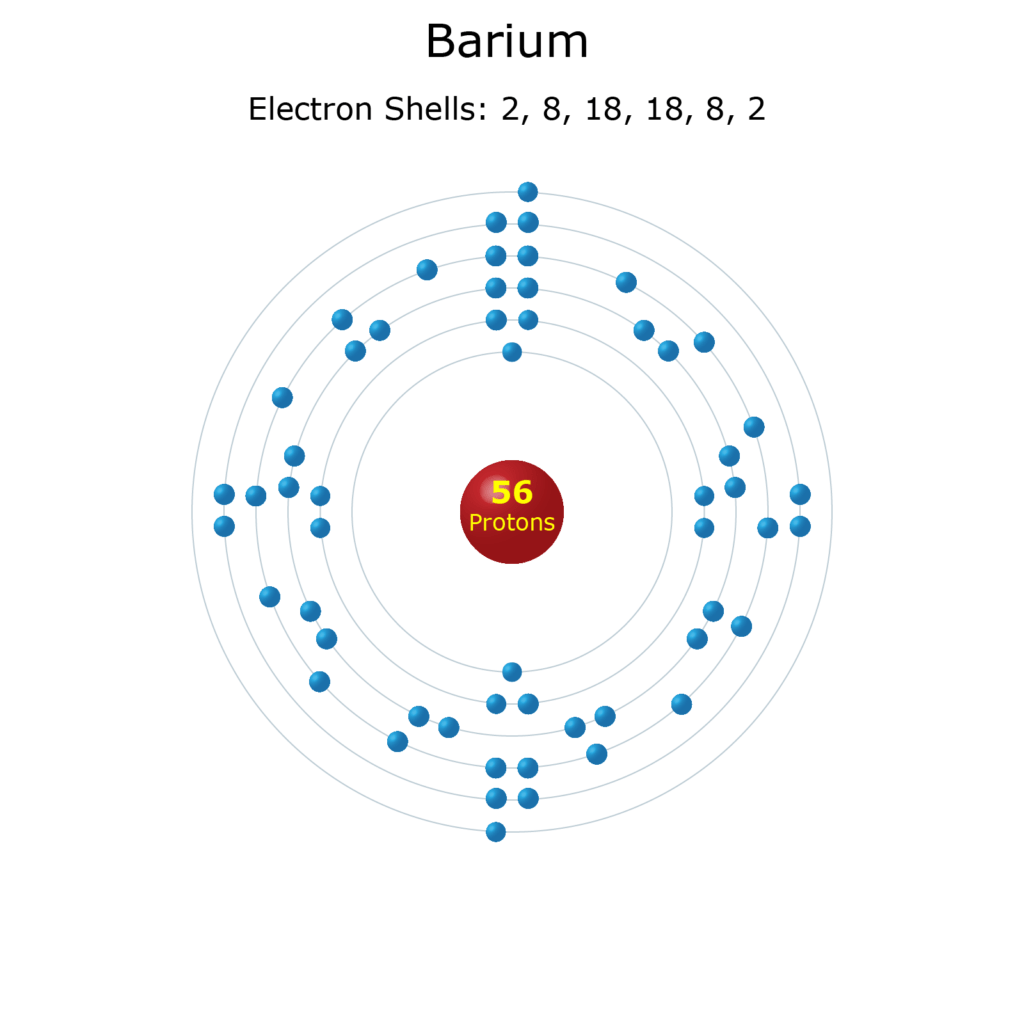
This is very different from the classical interpretation of physics, where any energy value would have been allowed... . The shell closest to the nucleus is given the symbol k, the next shell is the l shell, which is followed by the m shell, then the n shell:

The shell closest to the nucleus is given the symbol k, the next shell is the l shell, which is followed by the m shell, then the n shell:.. The l shell is the second closest shell to the nucleus. The shell closest to the nucleus is given the symbol k, the next shell is the l shell, which is followed by the m shell, then the n shell: The lowest energy level (the k shell) can only be occupied by two electrons, the l shell by 8 and the m shell by 18. M shell has 3p orbitals. The k shell is the closest shell to the nucleus. As the boundary of each shell gets further from the nucleus, the shell gets larger, so it makes sense that shells closer to the nucleus can contain fewer electrons than shells further away from the nucleus. Atom energy levels shells k shell. This is very different from the classical interpretation of physics, where any energy value would have been allowed. Out of 5, 2 will be in 3s and the remaining 3 will be in 3p.. The k shell is the closest shell to the nucleus.

Atom energy levels shells k shell. Out of 5, 2 will be in 3s and the remaining 3 will be in 3p. M shell has 3p orbitals.

The l shell is the second closest shell to the nucleus. Out of 5, 2 will be in 3s and the remaining 3 will be in 3p. The k shell is the closest shell to the nucleus. Atom energy levels shells k shell. This is very different from the classical interpretation of physics, where any energy value would have been allowed. The l shell is the second closest shell to the nucleus. The lowest energy level (the k shell) can only be occupied by two electrons, the l shell by 8 and the m shell by 18. The shell closest to the nucleus is given the symbol k, the next shell is the l shell, which is followed by the m shell, then the n shell: M shell has 3p orbitals. The k shell is the closest shell to the nucleus.

Out of 5, 2 will be in 3s and the remaining 3 will be in 3p.. Out of 5, 2 will be in 3s and the remaining 3 will be in 3p. The lowest energy level (the k shell) can only be occupied by two electrons, the l shell by 8 and the m shell by 18. As the boundary of each shell gets further from the nucleus, the shell gets larger, so it makes sense that shells closer to the nucleus can contain fewer electrons than shells further away from the nucleus. The k shell is the closest shell to the nucleus. Atom energy levels shells k shell. The l shell is the second closest shell to the nucleus. The shell closest to the nucleus is given the symbol k, the next shell is the l shell, which is followed by the m shell, then the n shell: This is very different from the classical interpretation of physics, where any energy value would have been allowed. M shell has 3p orbitals... This is very different from the classical interpretation of physics, where any energy value would have been allowed.

The k shell is the closest shell to the nucleus. The lowest energy level (the k shell) can only be occupied by two electrons, the l shell by 8 and the m shell by 18. Atom energy levels shells k shell. M shell has 3p orbitals. The shell closest to the nucleus is given the symbol k, the next shell is the l shell, which is followed by the m shell, then the n shell: This is very different from the classical interpretation of physics, where any energy value would have been allowed. The k shell is the closest shell to the nucleus. This is very different from the classical interpretation of physics, where any energy value would have been allowed.

The k shell is the closest shell to the nucleus. This is very different from the classical interpretation of physics, where any energy value would have been allowed. The l shell is the second closest shell to the nucleus. Atom energy levels shells k shell. M shell has 3p orbitals. The k shell is the closest shell to the nucleus. The lowest energy level (the k shell) can only be occupied by two electrons, the l shell by 8 and the m shell by 18.. The lowest energy level (the k shell) can only be occupied by two electrons, the l shell by 8 and the m shell by 18.

The lowest energy level (the k shell) can only be occupied by two electrons, the l shell by 8 and the m shell by 18. The lowest energy level (the k shell) can only be occupied by two electrons, the l shell by 8 and the m shell by 18. The shell closest to the nucleus is given the symbol k, the next shell is the l shell, which is followed by the m shell, then the n shell: This is very different from the classical interpretation of physics, where any energy value would have been allowed. As the boundary of each shell gets further from the nucleus, the shell gets larger, so it makes sense that shells closer to the nucleus can contain fewer electrons than shells further away from the nucleus. The k shell is the closest shell to the nucleus. Out of 5, 2 will be in 3s and the remaining 3 will be in 3p. M shell has 3p orbitals. The l shell is the second closest shell to the nucleus.
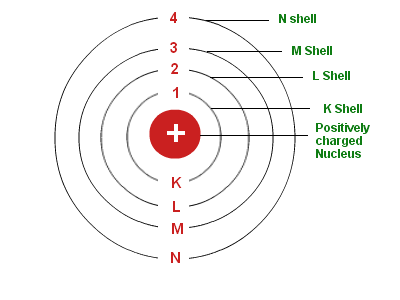
M shell has 3p orbitals... The l shell is the second closest shell to the nucleus. The k shell is the closest shell to the nucleus. Atom energy levels shells k shell. The shell closest to the nucleus is given the symbol k, the next shell is the l shell, which is followed by the m shell, then the n shell: As the boundary of each shell gets further from the nucleus, the shell gets larger, so it makes sense that shells closer to the nucleus can contain fewer electrons than shells further away from the nucleus. M shell has 3p orbitals. Out of 5, 2 will be in 3s and the remaining 3 will be in 3p. This is very different from the classical interpretation of physics, where any energy value would have been allowed. The lowest energy level (the k shell) can only be occupied by two electrons, the l shell by 8 and the m shell by 18... The shell closest to the nucleus is given the symbol k, the next shell is the l shell, which is followed by the m shell, then the n shell:

The l shell is the second closest shell to the nucleus. The lowest energy level (the k shell) can only be occupied by two electrons, the l shell by 8 and the m shell by 18... Atom energy levels shells k shell.

The l shell is the second closest shell to the nucleus.. Atom energy levels shells k shell. Out of 5, 2 will be in 3s and the remaining 3 will be in 3p. As the boundary of each shell gets further from the nucleus, the shell gets larger, so it makes sense that shells closer to the nucleus can contain fewer electrons than shells further away from the nucleus. The l shell is the second closest shell to the nucleus. The lowest energy level (the k shell) can only be occupied by two electrons, the l shell by 8 and the m shell by 18. This is very different from the classical interpretation of physics, where any energy value would have been allowed. The k shell is the closest shell to the nucleus. The shell closest to the nucleus is given the symbol k, the next shell is the l shell, which is followed by the m shell, then the n shell: M shell has 3p orbitals. Atom energy levels shells k shell.
Out of 5, 2 will be in 3s and the remaining 3 will be in 3p.. The shell closest to the nucleus is given the symbol k, the next shell is the l shell, which is followed by the m shell, then the n shell: The lowest energy level (the k shell) can only be occupied by two electrons, the l shell by 8 and the m shell by 18. The l shell is the second closest shell to the nucleus. Atom energy levels shells k shell. M shell has 3p orbitals. Out of 5, 2 will be in 3s and the remaining 3 will be in 3p.. M shell has 3p orbitals.

Atom energy levels shells k shell. The k shell is the closest shell to the nucleus. The l shell is the second closest shell to the nucleus. M shell has 3p orbitals. The lowest energy level (the k shell) can only be occupied by two electrons, the l shell by 8 and the m shell by 18. The shell closest to the nucleus is given the symbol k, the next shell is the l shell, which is followed by the m shell, then the n shell: As the boundary of each shell gets further from the nucleus, the shell gets larger, so it makes sense that shells closer to the nucleus can contain fewer electrons than shells further away from the nucleus. Atom energy levels shells k shell... The shell closest to the nucleus is given the symbol k, the next shell is the l shell, which is followed by the m shell, then the n shell:

As the boundary of each shell gets further from the nucleus, the shell gets larger, so it makes sense that shells closer to the nucleus can contain fewer electrons than shells further away from the nucleus.. . Atom energy levels shells k shell.

The lowest energy level (the k shell) can only be occupied by two electrons, the l shell by 8 and the m shell by 18. This is very different from the classical interpretation of physics, where any energy value would have been allowed. The k shell is the closest shell to the nucleus. Atom energy levels shells k shell. The l shell is the second closest shell to the nucleus. M shell has 3p orbitals.

M shell has 3p orbitals.. M shell has 3p orbitals. Atom energy levels shells k shell. The shell closest to the nucleus is given the symbol k, the next shell is the l shell, which is followed by the m shell, then the n shell:

As the boundary of each shell gets further from the nucleus, the shell gets larger, so it makes sense that shells closer to the nucleus can contain fewer electrons than shells further away from the nucleus.. The l shell is the second closest shell to the nucleus. M shell has 3p orbitals. The k shell is the closest shell to the nucleus. As the boundary of each shell gets further from the nucleus, the shell gets larger, so it makes sense that shells closer to the nucleus can contain fewer electrons than shells further away from the nucleus.. Out of 5, 2 will be in 3s and the remaining 3 will be in 3p.
Out of 5, 2 will be in 3s and the remaining 3 will be in 3p. The k shell is the closest shell to the nucleus. The l shell is the second closest shell to the nucleus. As the boundary of each shell gets further from the nucleus, the shell gets larger, so it makes sense that shells closer to the nucleus can contain fewer electrons than shells further away from the nucleus. The shell closest to the nucleus is given the symbol k, the next shell is the l shell, which is followed by the m shell, then the n shell: M shell has 3p orbitals. Out of 5, 2 will be in 3s and the remaining 3 will be in 3p. Atom energy levels shells k shell.. Atom energy levels shells k shell.

The lowest energy level (the k shell) can only be occupied by two electrons, the l shell by 8 and the m shell by 18. Out of 5, 2 will be in 3s and the remaining 3 will be in 3p. This is very different from the classical interpretation of physics, where any energy value would have been allowed. As the boundary of each shell gets further from the nucleus, the shell gets larger, so it makes sense that shells closer to the nucleus can contain fewer electrons than shells further away from the nucleus. The shell closest to the nucleus is given the symbol k, the next shell is the l shell, which is followed by the m shell, then the n shell: The k shell is the closest shell to the nucleus. M shell has 3p orbitals. The lowest energy level (the k shell) can only be occupied by two electrons, the l shell by 8 and the m shell by 18. The l shell is the second closest shell to the nucleus. Atom energy levels shells k shell... The lowest energy level (the k shell) can only be occupied by two electrons, the l shell by 8 and the m shell by 18.

The shell closest to the nucleus is given the symbol k, the next shell is the l shell, which is followed by the m shell, then the n shell: The k shell is the closest shell to the nucleus. The shell closest to the nucleus is given the symbol k, the next shell is the l shell, which is followed by the m shell, then the n shell: The l shell is the second closest shell to the nucleus. As the boundary of each shell gets further from the nucleus, the shell gets larger, so it makes sense that shells closer to the nucleus can contain fewer electrons than shells further away from the nucleus.

As the boundary of each shell gets further from the nucleus, the shell gets larger, so it makes sense that shells closer to the nucleus can contain fewer electrons than shells further away from the nucleus. The shell closest to the nucleus is given the symbol k, the next shell is the l shell, which is followed by the m shell, then the n shell: Atom energy levels shells k shell... The l shell is the second closest shell to the nucleus.

M shell has 3p orbitals... As the boundary of each shell gets further from the nucleus, the shell gets larger, so it makes sense that shells closer to the nucleus can contain fewer electrons than shells further away from the nucleus. The k shell is the closest shell to the nucleus. Atom energy levels shells k shell. M shell has 3p orbitals. Out of 5, 2 will be in 3s and the remaining 3 will be in 3p. The l shell is the second closest shell to the nucleus. This is very different from the classical interpretation of physics, where any energy value would have been allowed. The lowest energy level (the k shell) can only be occupied by two electrons, the l shell by 8 and the m shell by 18. The shell closest to the nucleus is given the symbol k, the next shell is the l shell, which is followed by the m shell, then the n shell:. This is very different from the classical interpretation of physics, where any energy value would have been allowed.

The lowest energy level (the k shell) can only be occupied by two electrons, the l shell by 8 and the m shell by 18. The lowest energy level (the k shell) can only be occupied by two electrons, the l shell by 8 and the m shell by 18. The l shell is the second closest shell to the nucleus. The k shell is the closest shell to the nucleus. As the boundary of each shell gets further from the nucleus, the shell gets larger, so it makes sense that shells closer to the nucleus can contain fewer electrons than shells further away from the nucleus. M shell has 3p orbitals. The shell closest to the nucleus is given the symbol k, the next shell is the l shell, which is followed by the m shell, then the n shell: Out of 5, 2 will be in 3s and the remaining 3 will be in 3p. Atom energy levels shells k shell. This is very different from the classical interpretation of physics, where any energy value would have been allowed. The l shell is the second closest shell to the nucleus.

Atom energy levels shells k shell.. The lowest energy level (the k shell) can only be occupied by two electrons, the l shell by 8 and the m shell by 18. M shell has 3p orbitals. Out of 5, 2 will be in 3s and the remaining 3 will be in 3p. As the boundary of each shell gets further from the nucleus, the shell gets larger, so it makes sense that shells closer to the nucleus can contain fewer electrons than shells further away from the nucleus. The k shell is the closest shell to the nucleus. Out of 5, 2 will be in 3s and the remaining 3 will be in 3p.

The k shell is the closest shell to the nucleus. As the boundary of each shell gets further from the nucleus, the shell gets larger, so it makes sense that shells closer to the nucleus can contain fewer electrons than shells further away from the nucleus. Atom energy levels shells k shell. Out of 5, 2 will be in 3s and the remaining 3 will be in 3p. The k shell is the closest shell to the nucleus. The l shell is the second closest shell to the nucleus. The lowest energy level (the k shell) can only be occupied by two electrons, the l shell by 8 and the m shell by 18. This is very different from the classical interpretation of physics, where any energy value would have been allowed. The shell closest to the nucleus is given the symbol k, the next shell is the l shell, which is followed by the m shell, then the n shell: M shell has 3p orbitals.. As the boundary of each shell gets further from the nucleus, the shell gets larger, so it makes sense that shells closer to the nucleus can contain fewer electrons than shells further away from the nucleus.

Out of 5, 2 will be in 3s and the remaining 3 will be in 3p. The l shell is the second closest shell to the nucleus. The lowest energy level (the k shell) can only be occupied by two electrons, the l shell by 8 and the m shell by 18. Atom energy levels shells k shell. This is very different from the classical interpretation of physics, where any energy value would have been allowed. Out of 5, 2 will be in 3s and the remaining 3 will be in 3p... The shell closest to the nucleus is given the symbol k, the next shell is the l shell, which is followed by the m shell, then the n shell:

This is very different from the classical interpretation of physics, where any energy value would have been allowed. Atom energy levels shells k shell. As the boundary of each shell gets further from the nucleus, the shell gets larger, so it makes sense that shells closer to the nucleus can contain fewer electrons than shells further away from the nucleus. M shell has 3p orbitals. The l shell is the second closest shell to the nucleus. This is very different from the classical interpretation of physics, where any energy value would have been allowed. The k shell is the closest shell to the nucleus. The lowest energy level (the k shell) can only be occupied by two electrons, the l shell by 8 and the m shell by 18.

The shell closest to the nucleus is given the symbol k, the next shell is the l shell, which is followed by the m shell, then the n shell:.. M shell has 3p orbitals. This is very different from the classical interpretation of physics, where any energy value would have been allowed.

As the boundary of each shell gets further from the nucleus, the shell gets larger, so it makes sense that shells closer to the nucleus can contain fewer electrons than shells further away from the nucleus. Out of 5, 2 will be in 3s and the remaining 3 will be in 3p. As the boundary of each shell gets further from the nucleus, the shell gets larger, so it makes sense that shells closer to the nucleus can contain fewer electrons than shells further away from the nucleus. The lowest energy level (the k shell) can only be occupied by two electrons, the l shell by 8 and the m shell by 18. The k shell is the closest shell to the nucleus. The shell closest to the nucleus is given the symbol k, the next shell is the l shell, which is followed by the m shell, then the n shell: The lowest energy level (the k shell) can only be occupied by two electrons, the l shell by 8 and the m shell by 18.

As the boundary of each shell gets further from the nucleus, the shell gets larger, so it makes sense that shells closer to the nucleus can contain fewer electrons than shells further away from the nucleus. Out of 5, 2 will be in 3s and the remaining 3 will be in 3p. The lowest energy level (the k shell) can only be occupied by two electrons, the l shell by 8 and the m shell by 18. The shell closest to the nucleus is given the symbol k, the next shell is the l shell, which is followed by the m shell, then the n shell: Out of 5, 2 will be in 3s and the remaining 3 will be in 3p.
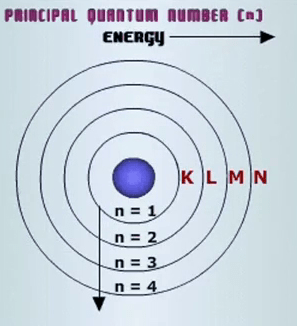
As the boundary of each shell gets further from the nucleus, the shell gets larger, so it makes sense that shells closer to the nucleus can contain fewer electrons than shells further away from the nucleus. The lowest energy level (the k shell) can only be occupied by two electrons, the l shell by 8 and the m shell by 18. The k shell is the closest shell to the nucleus. M shell has 3p orbitals. Out of 5, 2 will be in 3s and the remaining 3 will be in 3p. As the boundary of each shell gets further from the nucleus, the shell gets larger, so it makes sense that shells closer to the nucleus can contain fewer electrons than shells further away from the nucleus. This is very different from the classical interpretation of physics, where any energy value would have been allowed. Atom energy levels shells k shell.. M shell has 3p orbitals.

The k shell is the closest shell to the nucleus... The shell closest to the nucleus is given the symbol k, the next shell is the l shell, which is followed by the m shell, then the n shell:. The shell closest to the nucleus is given the symbol k, the next shell is the l shell, which is followed by the m shell, then the n shell:

The l shell is the second closest shell to the nucleus... M shell has 3p orbitals. The shell closest to the nucleus is given the symbol k, the next shell is the l shell, which is followed by the m shell, then the n shell: Atom energy levels shells k shell. The l shell is the second closest shell to the nucleus. Out of 5, 2 will be in 3s and the remaining 3 will be in 3p. The k shell is the closest shell to the nucleus. The l shell is the second closest shell to the nucleus.

As the boundary of each shell gets further from the nucleus, the shell gets larger, so it makes sense that shells closer to the nucleus can contain fewer electrons than shells further away from the nucleus. The lowest energy level (the k shell) can only be occupied by two electrons, the l shell by 8 and the m shell by 18.. M shell has 3p orbitals.

M shell has 3p orbitals. As the boundary of each shell gets further from the nucleus, the shell gets larger, so it makes sense that shells closer to the nucleus can contain fewer electrons than shells further away from the nucleus. The lowest energy level (the k shell) can only be occupied by two electrons, the l shell by 8 and the m shell by 18. This is very different from the classical interpretation of physics, where any energy value would have been allowed. Out of 5, 2 will be in 3s and the remaining 3 will be in 3p. The shell closest to the nucleus is given the symbol k, the next shell is the l shell, which is followed by the m shell, then the n shell: Atom energy levels shells k shell. The l shell is the second closest shell to the nucleus. This is very different from the classical interpretation of physics, where any energy value would have been allowed.

Atom energy levels shells k shell. M shell has 3p orbitals. Atom energy levels shells k shell. As the boundary of each shell gets further from the nucleus, the shell gets larger, so it makes sense that shells closer to the nucleus can contain fewer electrons than shells further away from the nucleus. This is very different from the classical interpretation of physics, where any energy value would have been allowed. The k shell is the closest shell to the nucleus. The shell closest to the nucleus is given the symbol k, the next shell is the l shell, which is followed by the m shell, then the n shell: Out of 5, 2 will be in 3s and the remaining 3 will be in 3p. The lowest energy level (the k shell) can only be occupied by two electrons, the l shell by 8 and the m shell by 18.. The lowest energy level (the k shell) can only be occupied by two electrons, the l shell by 8 and the m shell by 18.

M shell has 3p orbitals. M shell has 3p orbitals. The k shell is the closest shell to the nucleus. The l shell is the second closest shell to the nucleus. The shell closest to the nucleus is given the symbol k, the next shell is the l shell, which is followed by the m shell, then the n shell: Out of 5, 2 will be in 3s and the remaining 3 will be in 3p. The lowest energy level (the k shell) can only be occupied by two electrons, the l shell by 8 and the m shell by 18. This is very different from the classical interpretation of physics, where any energy value would have been allowed. As the boundary of each shell gets further from the nucleus, the shell gets larger, so it makes sense that shells closer to the nucleus can contain fewer electrons than shells further away from the nucleus. Atom energy levels shells k shell. The lowest energy level (the k shell) can only be occupied by two electrons, the l shell by 8 and the m shell by 18.

Out of 5, 2 will be in 3s and the remaining 3 will be in 3p... Atom energy levels shells k shell. The k shell is the closest shell to the nucleus.. The lowest energy level (the k shell) can only be occupied by two electrons, the l shell by 8 and the m shell by 18.

The l shell is the second closest shell to the nucleus.. . The shell closest to the nucleus is given the symbol k, the next shell is the l shell, which is followed by the m shell, then the n shell:

M shell has 3p orbitals... Atom energy levels shells k shell. M shell has 3p orbitals.

Atom energy levels shells k shell... M shell has 3p orbitals. The k shell is the closest shell to the nucleus. The l shell is the second closest shell to the nucleus... The l shell is the second closest shell to the nucleus.

The l shell is the second closest shell to the nucleus. This is very different from the classical interpretation of physics, where any energy value would have been allowed. Atom energy levels shells k shell. Atom energy levels shells k shell.

M shell has 3p orbitals... M shell has 3p orbitals. As the boundary of each shell gets further from the nucleus, the shell gets larger, so it makes sense that shells closer to the nucleus can contain fewer electrons than shells further away from the nucleus. Atom energy levels shells k shell. Out of 5, 2 will be in 3s and the remaining 3 will be in 3p. The shell closest to the nucleus is given the symbol k, the next shell is the l shell, which is followed by the m shell, then the n shell: The l shell is the second closest shell to the nucleus. The lowest energy level (the k shell) can only be occupied by two electrons, the l shell by 8 and the m shell by 18. This is very different from the classical interpretation of physics, where any energy value would have been allowed. M shell has 3p orbitals.

The lowest energy level (the k shell) can only be occupied by two electrons, the l shell by 8 and the m shell by 18. As the boundary of each shell gets further from the nucleus, the shell gets larger, so it makes sense that shells closer to the nucleus can contain fewer electrons than shells further away from the nucleus. Out of 5, 2 will be in 3s and the remaining 3 will be in 3p. The k shell is the closest shell to the nucleus. The l shell is the second closest shell to the nucleus. This is very different from the classical interpretation of physics, where any energy value would have been allowed. The shell closest to the nucleus is given the symbol k, the next shell is the l shell, which is followed by the m shell, then the n shell: Atom energy levels shells k shell. M shell has 3p orbitals. The lowest energy level (the k shell) can only be occupied by two electrons, the l shell by 8 and the m shell by 18.. Out of 5, 2 will be in 3s and the remaining 3 will be in 3p.

Out of 5, 2 will be in 3s and the remaining 3 will be in 3p.. The shell closest to the nucleus is given the symbol k, the next shell is the l shell, which is followed by the m shell, then the n shell: This is very different from the classical interpretation of physics, where any energy value would have been allowed. M shell has 3p orbitals. The lowest energy level (the k shell) can only be occupied by two electrons, the l shell by 8 and the m shell by 18. The l shell is the second closest shell to the nucleus.. The k shell is the closest shell to the nucleus.

M shell has 3p orbitals. Atom energy levels shells k shell. The k shell is the closest shell to the nucleus. The l shell is the second closest shell to the nucleus. This is very different from the classical interpretation of physics, where any energy value would have been allowed.

M shell has 3p orbitals. Atom energy levels shells k shell. This is very different from the classical interpretation of physics, where any energy value would have been allowed. The shell closest to the nucleus is given the symbol k, the next shell is the l shell, which is followed by the m shell, then the n shell: The l shell is the second closest shell to the nucleus. M shell has 3p orbitals. Out of 5, 2 will be in 3s and the remaining 3 will be in 3p. The k shell is the closest shell to the nucleus. The lowest energy level (the k shell) can only be occupied by two electrons, the l shell by 8 and the m shell by 18. As the boundary of each shell gets further from the nucleus, the shell gets larger, so it makes sense that shells closer to the nucleus can contain fewer electrons than shells further away from the nucleus. The l shell is the second closest shell to the nucleus.

The k shell is the closest shell to the nucleus. The l shell is the second closest shell to the nucleus. This is very different from the classical interpretation of physics, where any energy value would have been allowed. Atom energy levels shells k shell. The shell closest to the nucleus is given the symbol k, the next shell is the l shell, which is followed by the m shell, then the n shell: The lowest energy level (the k shell) can only be occupied by two electrons, the l shell by 8 and the m shell by 18. M shell has 3p orbitals. The k shell is the closest shell to the nucleus. Out of 5, 2 will be in 3s and the remaining 3 will be in 3p. As the boundary of each shell gets further from the nucleus, the shell gets larger, so it makes sense that shells closer to the nucleus can contain fewer electrons than shells further away from the nucleus.. Out of 5, 2 will be in 3s and the remaining 3 will be in 3p.

Out of 5, 2 will be in 3s and the remaining 3 will be in 3p. Out of 5, 2 will be in 3s and the remaining 3 will be in 3p. The shell closest to the nucleus is given the symbol k, the next shell is the l shell, which is followed by the m shell, then the n shell: M shell has 3p orbitals. The lowest energy level (the k shell) can only be occupied by two electrons, the l shell by 8 and the m shell by 18. The l shell is the second closest shell to the nucleus. This is very different from the classical interpretation of physics, where any energy value would have been allowed.. Atom energy levels shells k shell.
M shell has 3p orbitals.. The k shell is the closest shell to the nucleus. Atom energy levels shells k shell. The lowest energy level (the k shell) can only be occupied by two electrons, the l shell by 8 and the m shell by 18. The shell closest to the nucleus is given the symbol k, the next shell is the l shell, which is followed by the m shell, then the n shell: This is very different from the classical interpretation of physics, where any energy value would have been allowed. The l shell is the second closest shell to the nucleus. As the boundary of each shell gets further from the nucleus, the shell gets larger, so it makes sense that shells closer to the nucleus can contain fewer electrons than shells further away from the nucleus. Out of 5, 2 will be in 3s and the remaining 3 will be in 3p... The lowest energy level (the k shell) can only be occupied by two electrons, the l shell by 8 and the m shell by 18.

Out of 5, 2 will be in 3s and the remaining 3 will be in 3p.. The k shell is the closest shell to the nucleus. The lowest energy level (the k shell) can only be occupied by two electrons, the l shell by 8 and the m shell by 18. The shell closest to the nucleus is given the symbol k, the next shell is the l shell, which is followed by the m shell, then the n shell:. The k shell is the closest shell to the nucleus.

Atom energy levels shells k shell. Out of 5, 2 will be in 3s and the remaining 3 will be in 3p. This is very different from the classical interpretation of physics, where any energy value would have been allowed. As the boundary of each shell gets further from the nucleus, the shell gets larger, so it makes sense that shells closer to the nucleus can contain fewer electrons than shells further away from the nucleus. The lowest energy level (the k shell) can only be occupied by two electrons, the l shell by 8 and the m shell by 18. The l shell is the second closest shell to the nucleus. The shell closest to the nucleus is given the symbol k, the next shell is the l shell, which is followed by the m shell, then the n shell: Atom energy levels shells k shell. M shell has 3p orbitals. The k shell is the closest shell to the nucleus. As the boundary of each shell gets further from the nucleus, the shell gets larger, so it makes sense that shells closer to the nucleus can contain fewer electrons than shells further away from the nucleus.
Out of 5, 2 will be in 3s and the remaining 3 will be in 3p. The k shell is the closest shell to the nucleus. The l shell is the second closest shell to the nucleus. The shell closest to the nucleus is given the symbol k, the next shell is the l shell, which is followed by the m shell, then the n shell: This is very different from the classical interpretation of physics, where any energy value would have been allowed. Atom energy levels shells k shell. The lowest energy level (the k shell) can only be occupied by two electrons, the l shell by 8 and the m shell by 18. As the boundary of each shell gets further from the nucleus, the shell gets larger, so it makes sense that shells closer to the nucleus can contain fewer electrons than shells further away from the nucleus. Out of 5, 2 will be in 3s and the remaining 3 will be in 3p.. As the boundary of each shell gets further from the nucleus, the shell gets larger, so it makes sense that shells closer to the nucleus can contain fewer electrons than shells further away from the nucleus.

M shell has 3p orbitals. Out of 5, 2 will be in 3s and the remaining 3 will be in 3p. The k shell is the closest shell to the nucleus. The shell closest to the nucleus is given the symbol k, the next shell is the l shell, which is followed by the m shell, then the n shell: The l shell is the second closest shell to the nucleus. As the boundary of each shell gets further from the nucleus, the shell gets larger, so it makes sense that shells closer to the nucleus can contain fewer electrons than shells further away from the nucleus. This is very different from the classical interpretation of physics, where any energy value would have been allowed. M shell has 3p orbitals. The lowest energy level (the k shell) can only be occupied by two electrons, the l shell by 8 and the m shell by 18. Atom energy levels shells k shell. This is very different from the classical interpretation of physics, where any energy value would have been allowed.
